
Dog farming, also known as dog breeding or kennel farming, involves the systematic breeding and care of dogs, typically for the purpose of selling puppies or using dogs for specific farm-related tasks. It can be a lucrative business venture but requires knowledge, patience, and responsible practices to ensure the health and well-being of the dogs.
1. Understanding the Basics of Dog Farming
Dog farming can take different forms depending on the focus, such as breeding dogs for pets, working dogs, or show dogs. It requires an understanding of dog genetics, breeding cycles, and the specific needs of different dog breeds.

2. Setting Up a Dog Farm
Before starting a dog farm, it is important to assess the space and infrastructure you need. A dog farm should have ample space for the dogs to roam, exercise, and socialize. The facilities should be clean, secure, and comfortable, with proper shelter for the dogs to rest in. Ideally, a dog farm will have indoor and outdoor spaces, ensuring that dogs can be kept safely when needed but also have the freedom to move around.

On a similar note, at Kimd Group of Companies, we support beginner farmers by offering tailored business proposal writing services and design plans for various animal capacities. Therefore whether you’re just starting out or looking to expand, we provide the resources and expertise to help you succeed in the farming industry.
3. Breeding and Genetics
Understanding genetics is crucial for successful dog farming. Selecting the right breeding pairs involves knowing the traits you want to pass down to the offspring, such as temperament, intelligence, physical characteristics, and health. It’s important to avoid inbreeding to prevent genetic disorders and maintain the health of the dogs.

4. Raising and Socializing Puppies
Once puppies are born, they require special care during their early weeks of life. Puppies should be monitored closely to ensure they are nursing properly and gaining weight. It’s important to give the mother the proper support and nutrition during this time to ensure the health of both the mother and the puppies.

5. Health Management and Veterinary Care
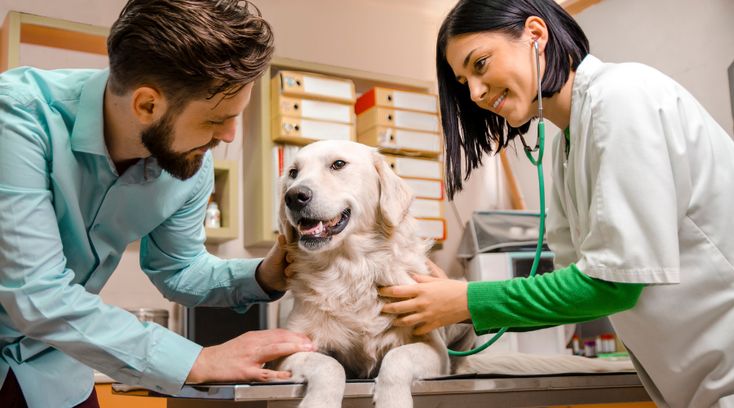
Maintaining the health of the dogs on the farm is essential. Regular veterinary check-ups, vaccinations, and parasite control are crucial parts of a dog farming operation. Dog farmers should also be aware of common breed-specific health issues and be prepared to address any health concerns that arise.
6. Ethical Considerations and Responsibilities
Ethical dog farming involves prioritizing the welfare of the dogs above all else. Responsible breeding practices are essential for ensuring that dogs are not overbred and that puppies are sold to homes where they will be well cared for. Ethical breeders do not breed dogs with known health problems or poor temperaments and ensure that all dogs are kept in clean, comfortable, and safe conditions.
7. The Financial Side of Dog Farming
While dog farming can be profitable, it requires a significant initial investment for facilities, breeding stock, and ongoing costs for food, medical care, and maintenance. The financial side of dog farming should include a business plan that covers expenses and potential income. It’s also important to set up a sustainable breeding program to prevent overbreeding and ensure the quality of each litter.

Conclusion
Dog farming is a rewarding but complex business that requires knowledge of dog care, breeding practices, and the ability to manage the health and well-being of the dogs. Whether you are breeding dogs for working purposes, pets, or show dogs, ethical practices and proper care should always be the priority.