
Breeding horses is a complex but rewarding process that requires knowledge, careful planning, and proper management. Whether for sport, work, or recreation, breeding quality horses ensures healthy foals with desirable traits. Understanding the breeding process, selecting the right horses, and providing proper care for pregnant mares and newborn foals are essential for success.
Selecting the Right Breeding Pair
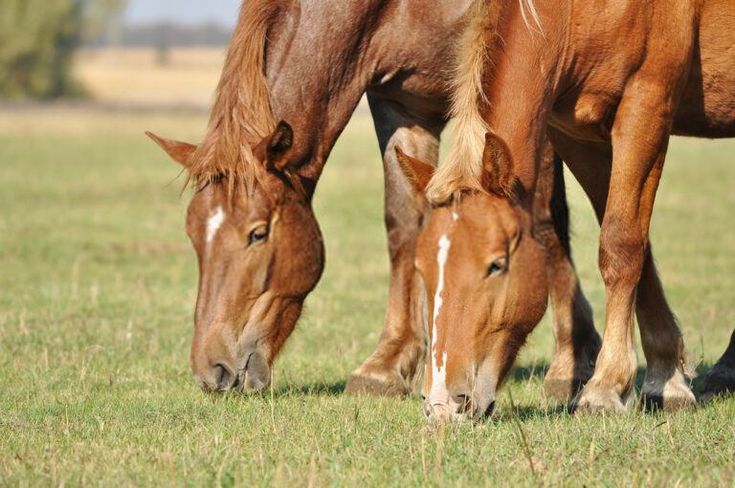
Choosing the right stallion and mare is crucial for producing strong, healthy foals. Factors such as genetics, temperament, conformation, and health history should be considered. A good match increases the chances of producing foals with desirable characteristics for racing, work, or companionship.
The Horse Breeding Process
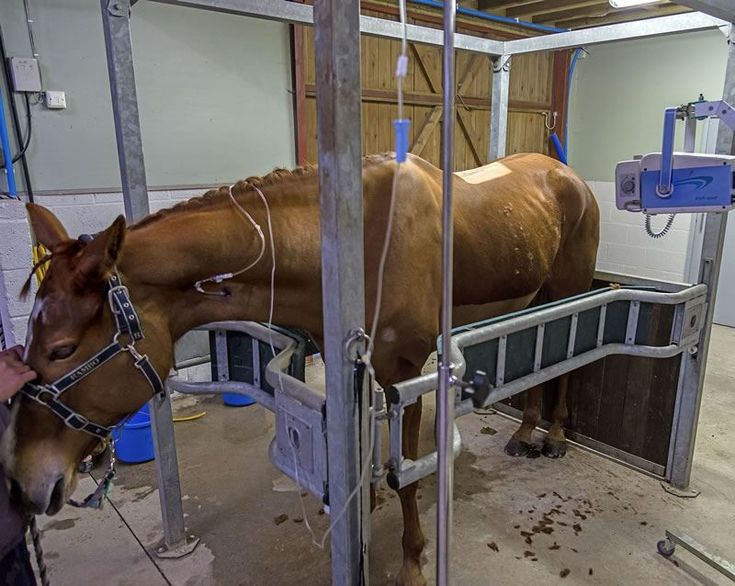
Breeding can occur naturally in pastures or through artificial insemination, depending on the farmer’s preference. Monitoring the mare’s reproductive cycle helps determine the best time for mating. Therefore veterinary support is essential to confirm pregnancy and ensure the mare remains healthy throughout gestation.
On a similar note, at Kimd Group of Companies, we support beginner farmers by offering tailored business proposal writing services and design plans for various animal capacities. Therefore whether you’re just starting out or looking to expand, we provide the resources and expertise to help you succeed in the farming industry.
Caring for Pregnant Mares
A pregnant mare requires proper nutrition, regular exercise, and veterinary check-ups. Also balanced diet rich in vitamins and minerals supports fetal development. The date approaches, the mare should be placed in a clean, comfortable environment where she can give birth safely.
Foaling and Newborn Care
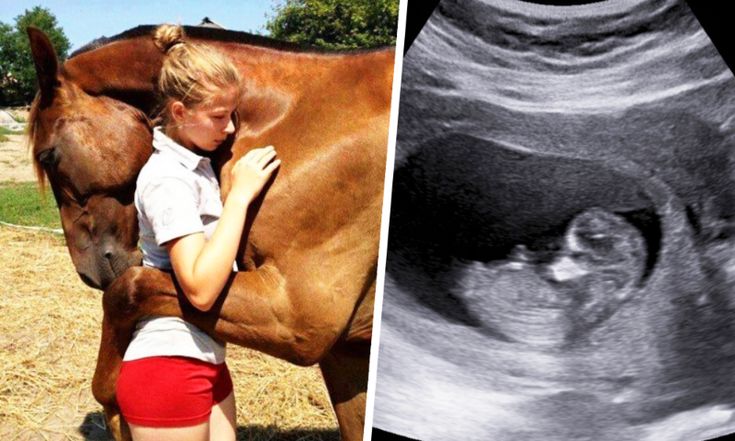
Foaling is a delicate process that requires close monitoring. Once born, the foal should nurse within the first few hours to receive colostrum, which provides essential antibodies. The umbilical cord should be disinfected, and the foal should be checked for any birth defects or health concerns.

Weaning and Early Training
Gradual separation from the mare helps reduce stress. Early training, including halter breaking and socialization, prepares the young horse for future handling and training, ensuring they grow into well-mannered adults.
Conclusion
Successful horse breeding requires selecting the right horses, managing the mating process, and providing proper care for pregnant mares and foals. With good genetics, proper nutrition, and attentive management, breeders can raise strong, healthy horses that excel in various fields.